





King Ateke Tom Publicly Declines Appointment, Calls for Integrity and Respect in Political Engagement


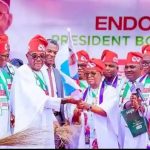
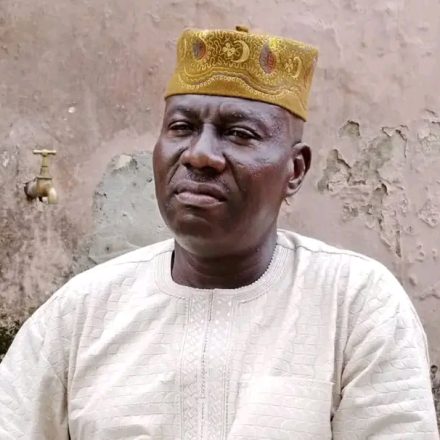
Renowned Niger Delta leader, Ateke Tom, has formally declined an alleged appointment linked to political advocacy groups associated with President Bola Ahmed Tinubu, stating unequivocally that he neither accepted nor consented to any such position.
In a strongly worded statement released to the public, King Ateke Tom clarified:
> “I did not accept, consent, or assume any position in RTIFN or any political structure. This is a deliberate act of deception. Such conduct is deeply disrespectful and unacceptable.”
The respected traditional figure emphasized that his name must not be used to advance political agendas without his express approval, warning that the unauthorized announcement of his involvement undermines both his personal integrity and the trust of his supporters.
A Call for Accountability
King Ateke Tom further cautioned Seyi Tinubu, organizers of the City Boy Movement, and affiliates of the “Relax Tinubu Is Fixing Nigeria” initiative to exercise greater responsibility and transparency in their political mobilization efforts.
According to the statement, leadership must be grounded in consultation, consent, and mutual respect — particularly when engaging prominent community figures whose influence carries significant weight.
Questions Raised on Political Engagement
The development has sparked broader public discourse, including questions about the role of family members in political campaigns. Observers are now asking whether involvement in campaign structures linked to President Tinubu is mandatory or assumed, rather than voluntary and consultative.
Political analysts note that the situation presents an opportunity for stakeholders to reevaluate engagement strategies and reinforce ethical standards in political communication.
Commitment to Principle
King Ateke Tom reaffirmed his commitment to serving his people with dignity and independence, stressing that any collaboration with political entities must be transparent and based on shared values.
He urged political actors across the country to uphold democratic principles, avoid misrepresentation, and foster unity through honest dialogue.
This latest development underscores the importance of integrity in Nigeria’s evolving political landscape as preparations gradually intensify toward the 2027 general elections.
Discover more from
Subscribe to get the latest posts sent to your email.