
The Lagos State Government has firmly reiterated its commitment to the ongoing Bus Reform Initiative along the Lekki-Epe corridor, declaring the policy non-negotiable despite recent protests by commercial minibus (korope) operators.
For three consecutive days, protesting operators blocked sections of the Lekki-Epe Expressway in opposition to the new transport regulations, causing significant traffic disruptions and inconveniencing residents and commuters. Security agencies were deployed to restore order and prevent commuters from being stranded.
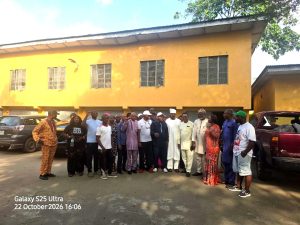
Addressing concerns at a sensitisation meeting with the Lekki Estates Residents and Stakeholders Association (LERSA), the Special Adviser to the Governor on Transportation, Mr. Sola Giwa, emphasized that the reform is essential to achieving a safer, more structured, and efficient transport system in one of Lagos’ fastest-growing corridors.
Reform Driven by Rapid Growth and Safety Concerns
According to government officials, the Lekki-Epe corridor was selected as the pilot phase of the initiative due to:
- Rapid residential estate development and population growth.
- Increasing traffic disorder caused by unregulated minibuses and tricycles.
- The urgent need for a structured, secure, and megacity-compliant transport system.
Officials stressed that as Lagos continues to expand, its transportation framework must evolve to meet international megacity standards and ensure the safety of residents.
Key Highlights of the Bus Reform Initiative
The reform introduces several strategic measures designed to enhance accountability, safety, and operational efficiency:

- Last-Mile/First-Mile Policy: Koropes and tricycles will operate strictly within inner streets and residential areas for short-distance trips, while the expressway will be reserved exclusively for higher-capacity buses.
- Operator Integration: Commercial drivers were encouraged to form cooperatives or structured companies to ensure proper regulation and oversight.
- Profiling and Biometric Capture: Drivers have undergone training, profiling, and biometric registration to improve accountability, enhance passenger safety, and curb criminal activities.
Government Condemns Expressway Blockade
Mr. Giwa condemned the blockade of the expressway, stating that the protest primarily harmed residents and businesses rather than the government. He clarified that the initiative is not intended to punish operators but to protect the broader public interest.
“We will continue with full implementation. It is tough love, but it is for the greatest good. The Governor has directed us to make life easier for residents and ensure they enjoy the dividends of democracy,” Giwa stated.
A Structured Future for Lekki-Epe Transport
The Lagos State Government maintains that the Lekki-Epe reform serves as a pilot model for broader transportation restructuring across the state. By reserving the expressway for regulated buses and limiting koropes and tricycles to inner routes, the administration aims to reduce congestion, improve safety standards, and create a more predictable commuting experience.
Despite initial resistance, officials remain confident that the long-term benefits—safer roads, organized traffic flow, and improved commuter experience—will outweigh transitional challenges.
Discover more from
Subscribe to get the latest posts sent to your email.